

Key Takeaways
- This conversation is a lot to process emotionally because it touches independence, identity, and changing roles.
- Timing, tone, and word choice can make a big difference in how the talk lands.
- Framing help as a choice, not a decision made for them, keeps dignity intact.
- Pushback is normal. Progress often happens over multiple conversations.
- The right support can help your loved ones live with more freedom, not less.
A Talk Worth Having
There’s a moment many adult children know well. You notice your loved one struggling more than they used to, you may feel the need to say something. But the words don’t come easily, and you’re not sure how they’ll land. That tension is completely normal, especially for people trying to help their parents choose assisted living or another lifestyle.
Talking to your parents about accepting help is one of the most loving things you can do. With the right approach, it can bring your family closer rather than create distance. It’s important to understand that support should always feel like a choice and exploring different senior living options is a great place to start.
Why This Conversation Is So Hard
Your parents have spent decades being the one in charge, the one who handled things, and the one who took care of others. For your loved one, fear of losing independence is often at the heart of their resistance. Many parents also worry about becoming a burden to the people they love most.
When you have to step in to take care of them, it can be a challenging transition. Asking for help from a loved one might feel like it questions who they are, not just their ability to do something. And for you, it can feel like a role reversal, suddenly looking out for the person who once looked out for you. All of that is real, and it’s worth honoring before the conversation even begins.
The range of long-term care options available today is broader and more flexible than most people realize, which can ease some of that fear right from the start.
How to Start the Conversation with Care
Consider the Time and Place
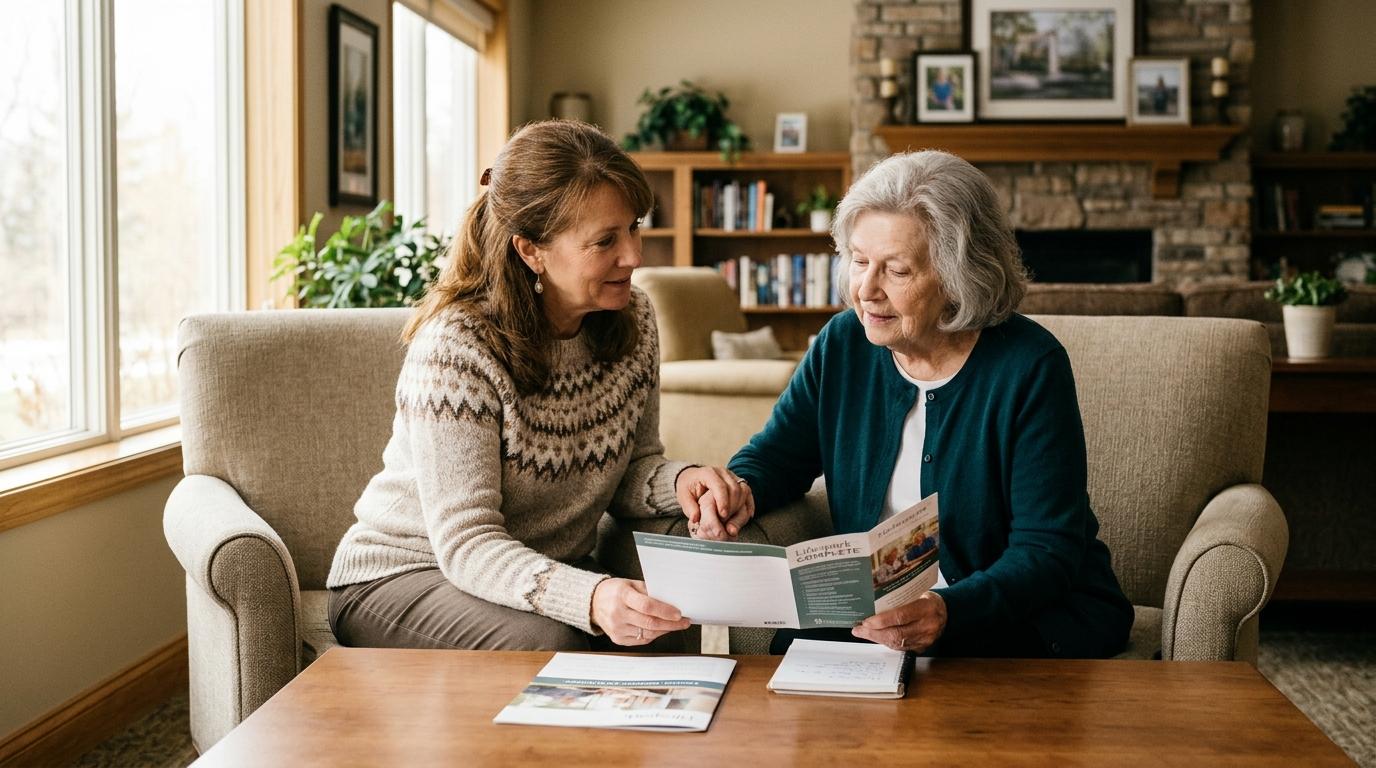
When beginning the conversation, look for a calm, relaxed setting where neither of you feels hurried or on the spot. A walk, a quiet meal, or a comfortable afternoon at home can set a tone that feels like connection, not confrontation.
Let the conversation breathe. If it starts to feel like a formal meeting with an agenda, your parents will likely feel like a topic being discussed rather than a person being heard. Ease into it naturally and follow their lead when possible.
Words That Open Doors
The words you choose matter more than you might think. There’s a big difference between sharing what you’ve observed and telling someone what they’re lacking. Try beginning your sentences with phrases like “I’ve noticed” instead of “you need to.”
Before offering ideas, make room to understand. Simple questions like ‘How have you been feeling lately?’ or ‘What parts of daily life feel harder than they used to?’ invite your parents to share their experience. When a parent feels respected and included, they are more likely to share what they really think and need. The goal isn’t to convince them in one conversation. It’s to create enough trust for the conversation to continue.
How to Honor Their Need for Independence
It can help to think about senior living as a conversation about what your parents want their next chapter to look like, not a decision about what they can no longer do. For many people, it can mean less worry about daily tasks, more opportunities to connect with others, and more freedom to focus on the things they enjoy.
Give them real choices wherever you can. When your parents feel like they’re in the driver’s seat, the conversation stops feeling like something happening to them and starts feeling like something they’re part of.
That shift in perspective can change everything. Support, at its heart, is about freedom, not restriction. When the time feels right, learning about different communities together can help your parents picture what a move could mean for their daily life.

Stay Patient Through the Resistance
The first conversation rarely leads to a decision, and that’s okay. Think of it as planting a seed. Your parents may need time to sit with what you’ve said, and that’s a healthy part of the process. Give them space between conversations rather than pushing for an answer right away.
Avoid ultimatums. Pressure-driven timelines tend to create resistance, not resolution. The goal isn’t to win the conversation. It’s to keep the relationship strong while gently moving forward together. If the process begins to feel overwhelming, recognizing the signs of burnout early can help you stay grounded through the process.
Bring in a Trusted Voice
Sometimes your parents just need to hear it from someone other than you. A close friend, a sibling, or a doctor they trust can carry the message in a way that feels less personal and more neutral. A fresh perspective can ease the emotional weight on both sides.
Choosing a senior living community is a big decision, and it’s natural to have questions along the way. Visiting together can be a helpful way to experience a senior living community, meet the people, and see what life could look like.
A Conversation That Can Change Everything
This conversation isn’t about control. It’s about love. The focus is on helping your parents live with purpose, belonging, and joy, whatever that looks like for them. And when it’s approached with patience, warmth, and genuine care, it can open the door to a new chapter of life with new opportunities for connection, comfort, and joy.
At Highland Senior Living, lifestyles are made to match your loved one’s needs. From independent living to assisted living and memory care, the goal is always to support life on their terms. Schedule a tour to learn which living option is right for your parents.